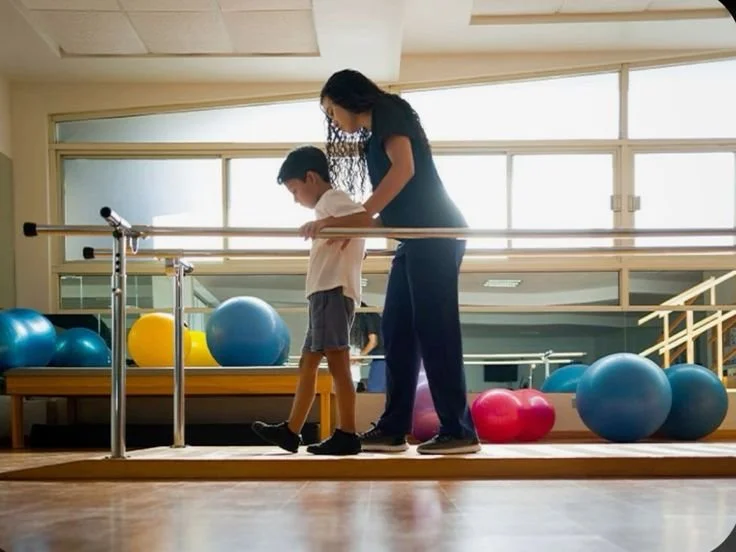
Home Physiotherapy for Children
Specialist Paediatric Physiotherapy in the Comfort of Your Home

HCPC Registered Physiotherapists

Specialist Paediatric Physiotherapists
DBS Checked Clinicians
Personalised One-to-One Treatment

Flexible Appointment Times
Supporting Children’s Movement, Development & Confidence
Every child develops differently, but when movement, coordination, strength or mobility challenges begin affecting daily life, early support can make a significant difference.
Our paediatric physiotherapists provide personalised treatment designed to support physical development, improve movement and help children build confidence in everyday activities such as walking, playing, sitting, standing and participating at school.
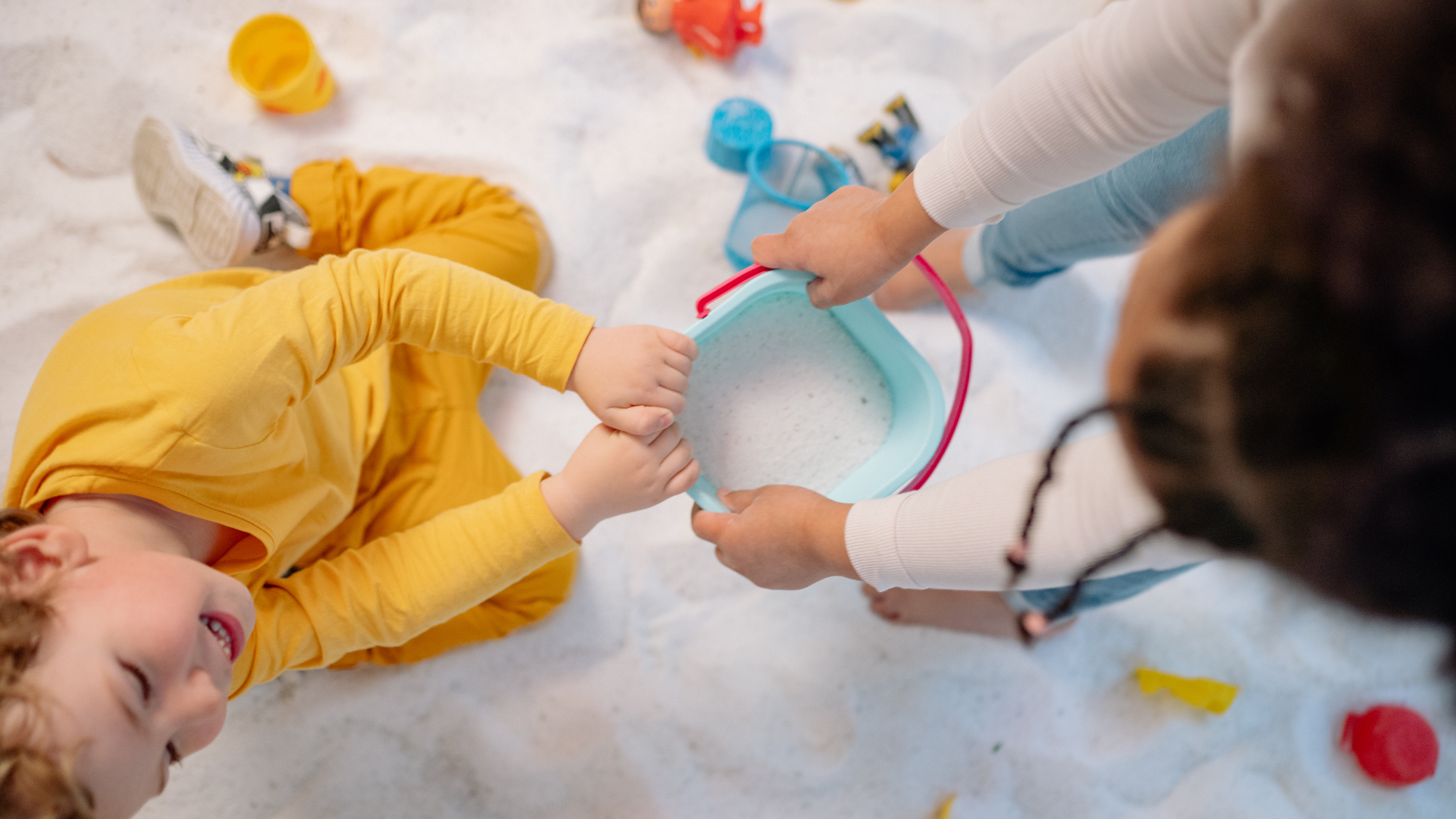
✔ Improve Strength & Coordination
✔ Support Physical Development
✔ Improve Balance & Mobility
✔ Build Confidence Through Movement
✔ Therapy in Familiar Home Environments

Paediatric Conditions We Treat
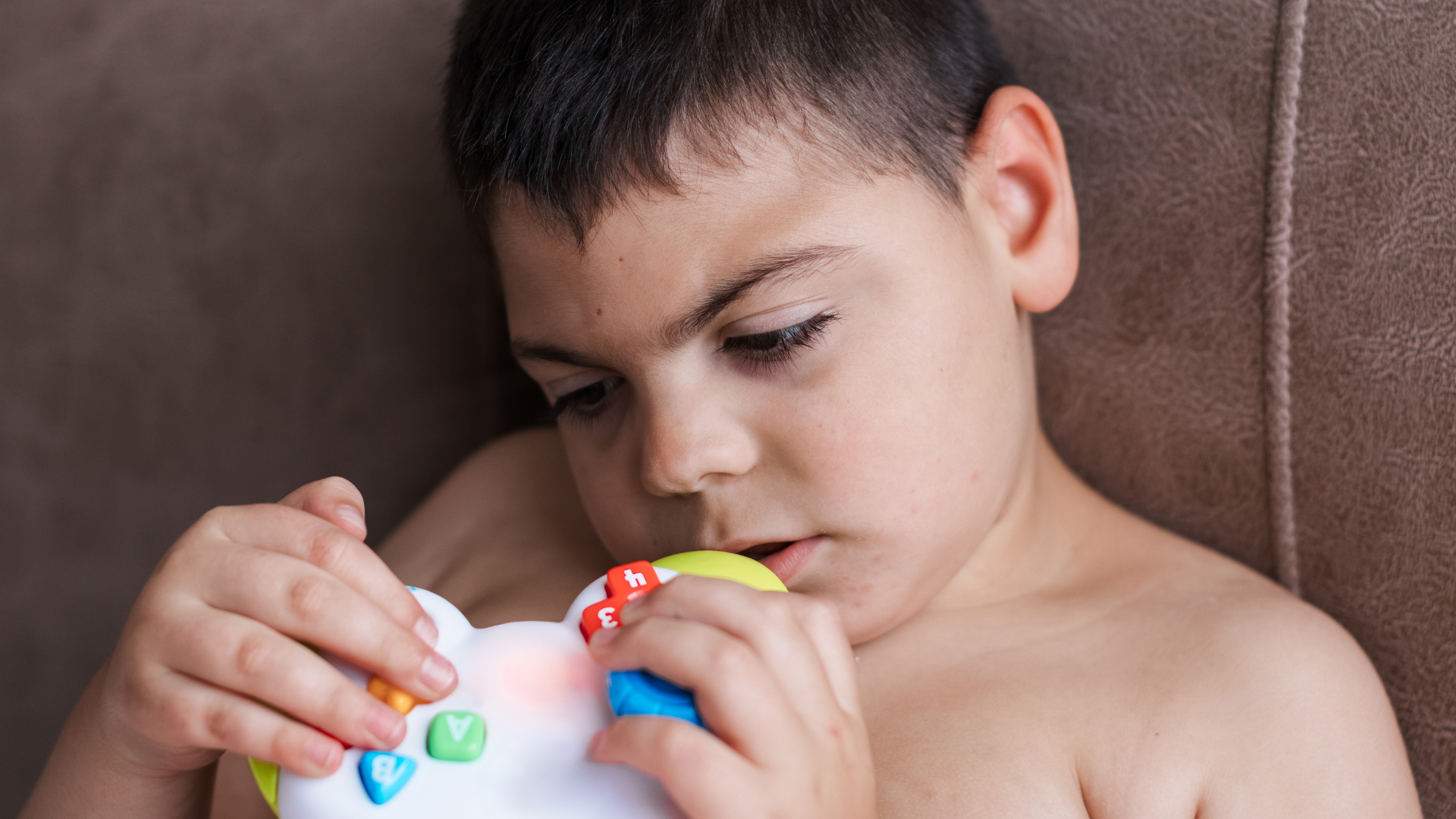

Developmental Delay Physiotherapy
We provide support for children experiencing delays with sitting, crawling, standing, walking, coordination, and gross motor skills, helping them develop movement abilities, strength, balance, and confidence.
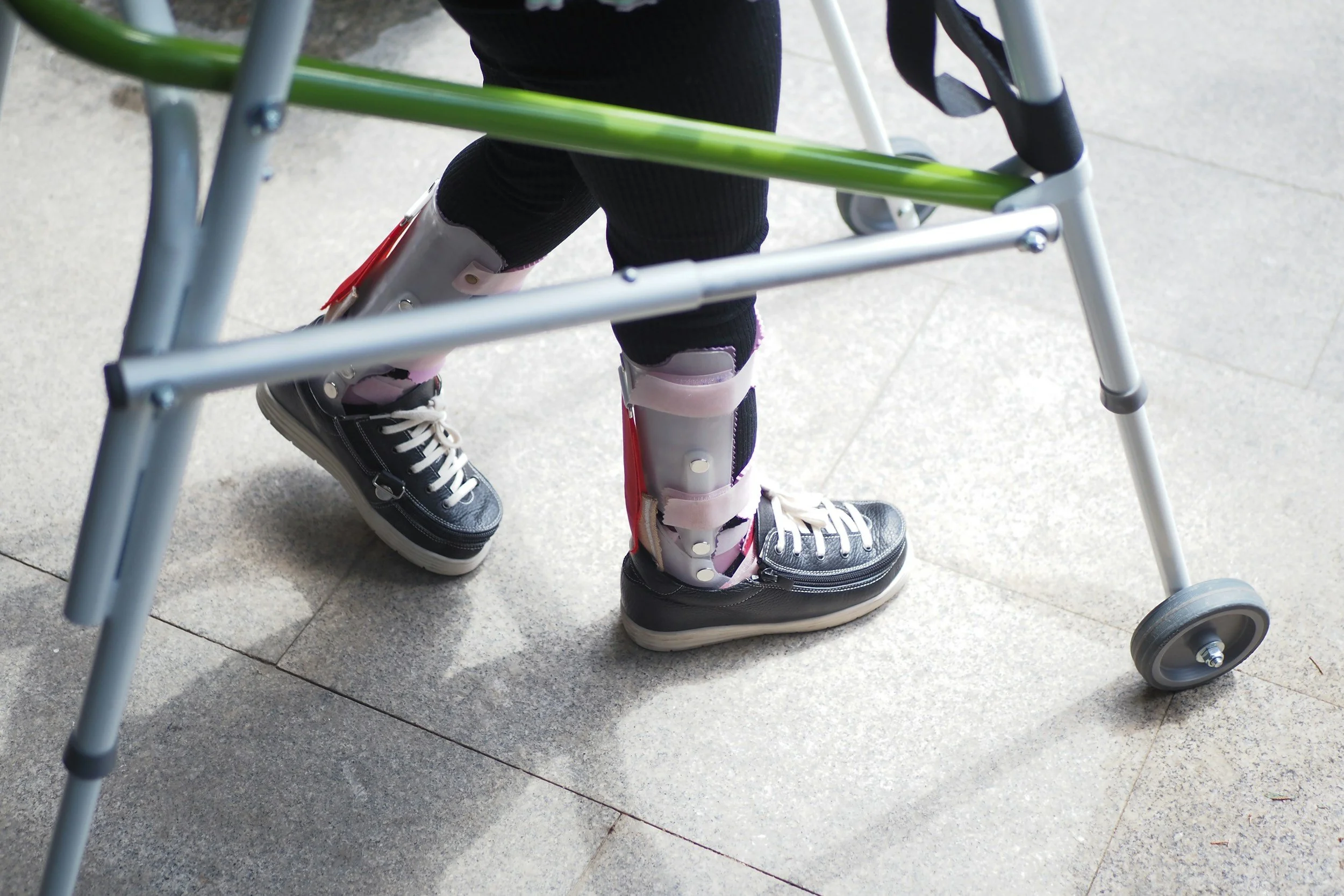
Cerebral Palsy Physiotherapy

We help children improve posture, balance, mobility, muscle control, walking ability, and independence, supporting their physical development and confidence in everyday activities.
Neurological Physiotherapy for Children

We provide support for conditions including acquired brain injury, neurological movement difficulties, muscle weakness, and coordination problems, helping individuals improve movement, strength, balance, and independence.
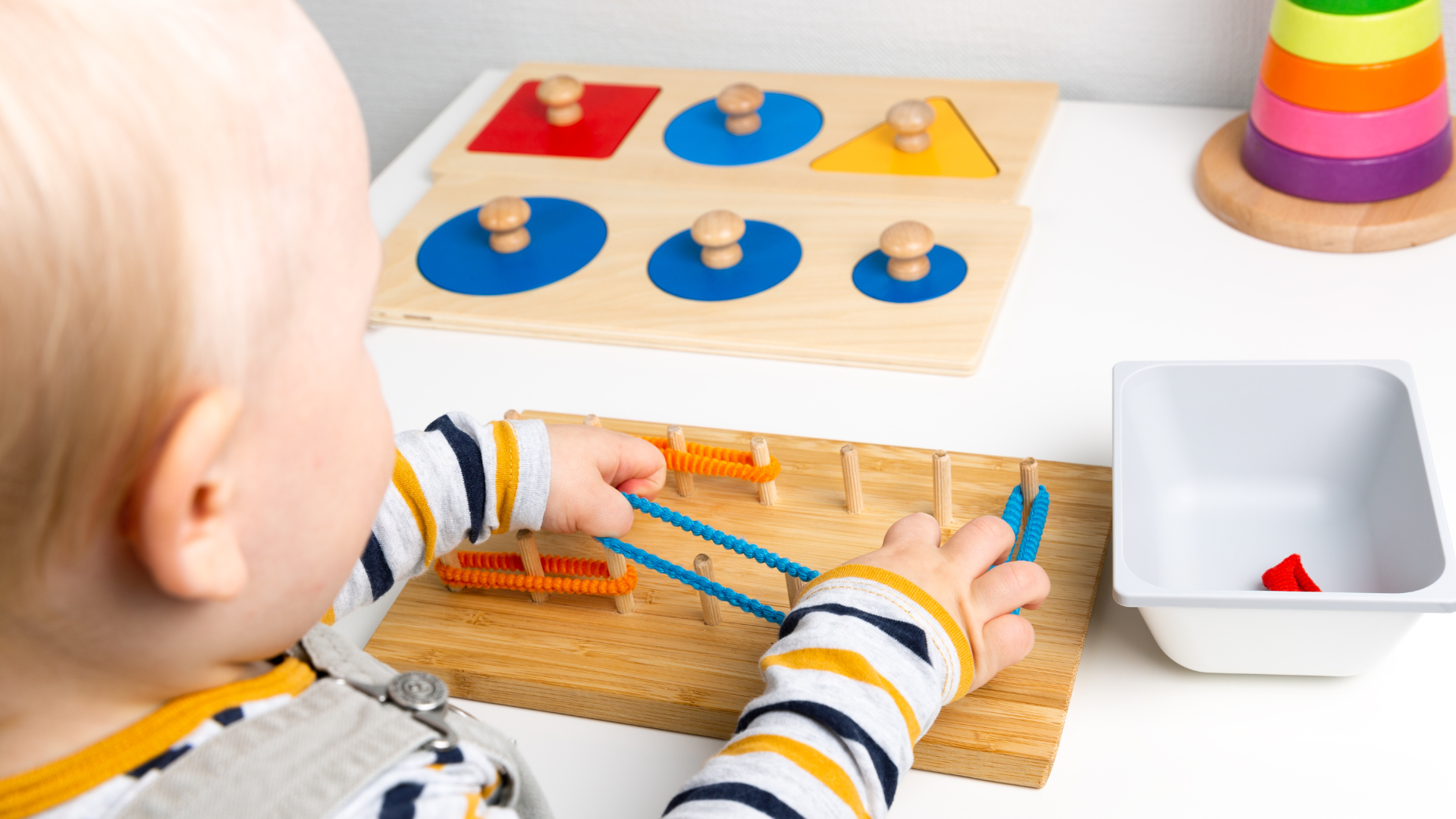
Physiotherapy for Autism & Sensory Motor Difficulties

We help children improve body awareness, movement confidence, coordination, balance, and physical participation, supporting their development and helping them engage more confidently in everyday activities.
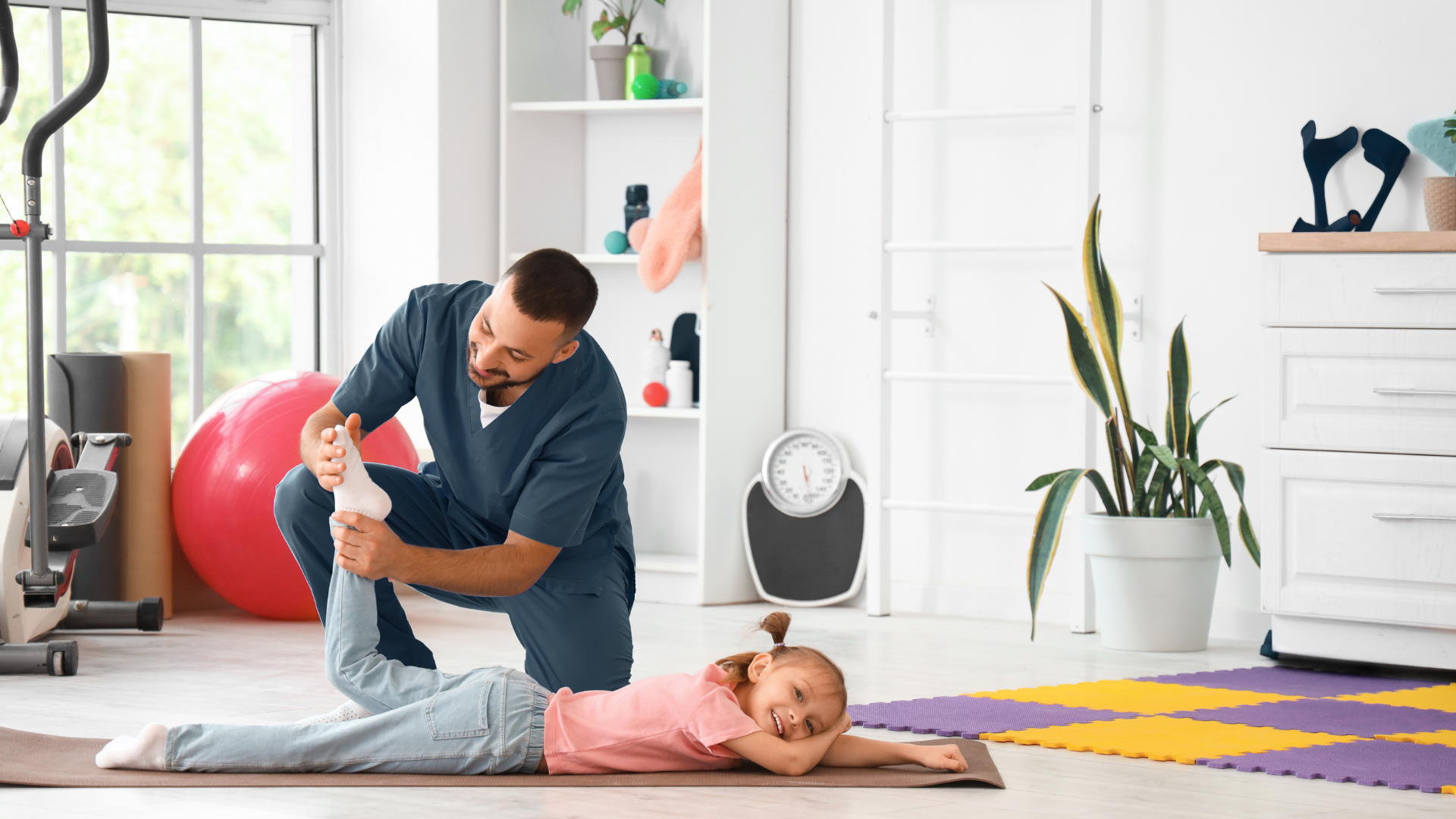
Paediatric Sports Injuries & Orthopaedic Rehabilitation
We provide treatment for sports injuries, fractures, post-operative rehabilitation, muscle strains, joint injuries, and mobility recovery, helping individuals regain strength, movement, confidence, and function.
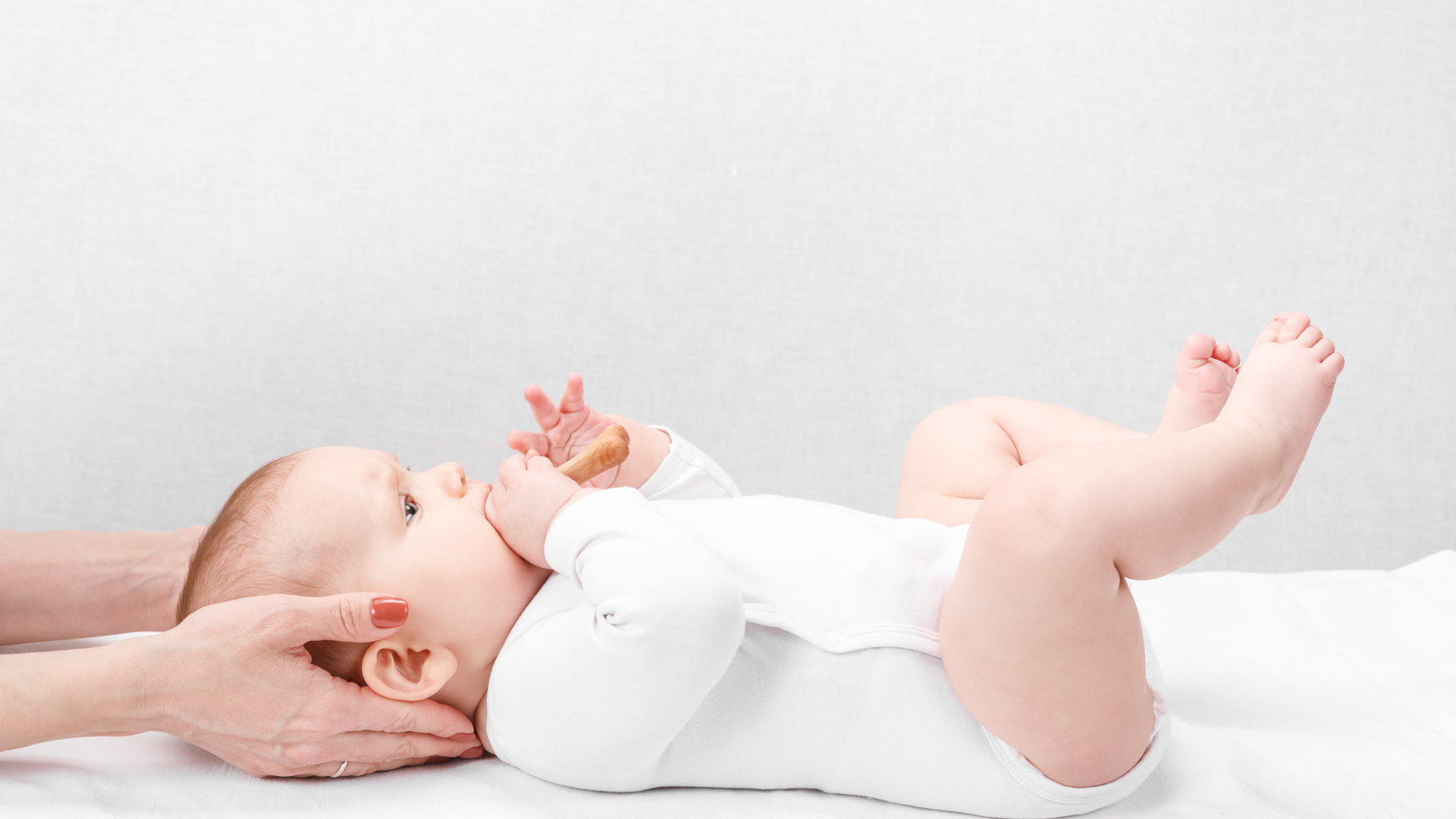
Baby & Infant Physiotherapy

We provide support for delayed milestones, head control, posture, movement asymmetry, and early physical development, helping children build strength, improve movement, and develop essential physical skills with confidence.
Why Families Choose Home Physio Company
Experienced Paediatric Physiotherapists
We understand how worrying it can feel when a child is struggling with movement, mobility or development.
Our physiotherapists provide supportive, compassionate care focused on helping children progress while giving families reassurance and practical support.
✔ HCPC Registered & CSP Members
✔ DBS Checked & Safeguarding Aware
✔ Compassionate Family-Centred Care
✔ Flexible Home Visit Appointments
Children’s Physiotherapy Home Visits Across
(London, Essex, Surrey, Kent, Hertfordshire)
We provide specialist respiratory physiotherapy home visits across London and surrounding areas.

Frequently Asked Questions
-
Paediatric physiotherapy helps babies, children and young people improve movement, strength, coordination, balance and physical development.
-
Yes. We provide home-based paediatric physiotherapy visits designed around your child’s comfort and routine.
-
Yes. Physiotherapy can support children experiencing delays with movement, coordination and physical milestones.
-
Yes. We provide rehabilitation support for children living with neurological and developmental conditions.
-
Yes. Parent and carer involvement is encouraged to help support progress between appointments.
Book a Children’s Physiotherapy Home Visit
Get specialist paediatric physiotherapy support in the comfort and familiarity of your home.